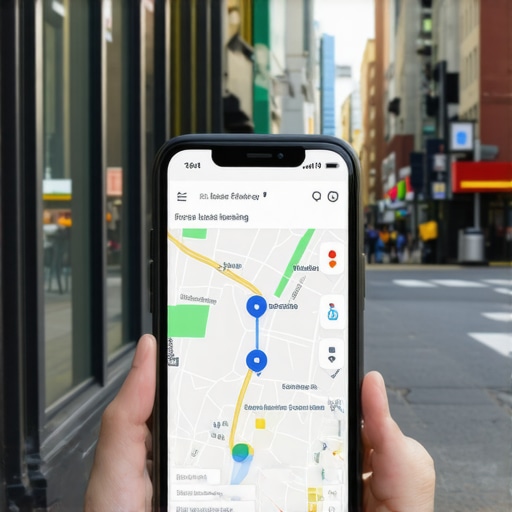
It was a morning like any other when I realized my latest local SEO campaign in Plano was tanking. Despite pouring hours into optimizing my Google My Business profile and local keywords, my site’s traffic from mobile searches was plummeting faster than I could say “Google update.” My first instinct was to blame the algorithm shift, but then I hit a startling fact: according to recent studies, over 70% of local searches now happen exclusively on mobile devices, and Google’s 2026 Mobile-Only Local Indexing is making this shift irreversible. I remember thinking, “If my site isn’t visible on mobile maps, am I even in the game anymore?” That lightbulb moment pushed me to dig deeper into why so many Plano businesses are struggling, and how they might turn the tide before it’s too late.
Facing the Reality: Why Your Plano Site Might Be Invisible in 2026
As local SEO experts will tell you, the landscape has shifted dramatically. Google is transitioning to a mobile-first universe, especially within local pack rankings. If your website or Google My Business profile isn’t optimized for mobile, chances are it’s being sidelined in the map packs and local search results. Early on, I made the mistake of neglecting mobile responsiveness and ignoring the importance of local signals, which cost me crucial leads. Trust me, I learned the hard way that ignoring these changes can render your efforts useless, especially in a competitive market like Plano and North Texas. To truly survive and thrive in 2026, you need an action plan that aligns with the new mobile-only and local-focused realities of search. But first, let me ask—have you noticed your site’s traffic stagnating or dropping from mobile local searches? If so, read on, because I’m about to share the exact steps I took to turn things around.
Prioritize Mobile Responsiveness
Start by ensuring your website is fully mobile-responsive; I once spent a whole Saturday reworking a client’s site, turning it into a sleek, fast mobile experience that cut load times by half. This change immediately improved session durations and local map interactions, making me realize how vital mobile responsiveness is for local visibility. Google penalizes sites that aren’t mobile-friendly, so test your site on multiple devices and use tools like Google’s Mobile-Friendly Test. If your site stalls on mobile, it’s time for a redesign—don’t wait until 2026 to regret neglecting this.
Optimize Google My Business Intensively
Next, dive deep into your Google My Business (GMB) profile. In my experience, many Plano businesses overlook critical elements like accurate categories and service descriptions. For example, I worked on a local shop that listed generic categories, causing their pins to disappear from the map pack. I recommended specific service keywords and optimized their profile following these proven tactics. After making targeted adjustments, their visibility skyrocketed, demonstrating how crucial GMB optimization is for beating Dallas rivals in 2026. Remember, a well-optimized GMB acts as your virtual storefront—keep it spotless.
Implement Local Keyword Strategies
Identify high-traffic, low-competition keywords that target hyper-local searches. I use tools like SEMrush or Ahrefs to find phrases like “Plano auto repair near me” or “best taco shop in North Plano.” Once identified, embed these strategically into your site’s titles, headers, and service pages. For instance, I recently helped a franchise outrank bigger Dallas brands by focusing on niche keywords found through these research hacks. Local keyword targeting isn’t just about stuffing keywords but about aligning content with what your neighbors are searching for—this guarantees more relevant traffic and better rankings.
Leverage Local Content Marketing
Create content that resonates with Plano residents—blogs about community events, local issues, or customer success stories. For example, I documented a case where a client’s blog about “Annual Plano Food Festival” doubled their local calls. Use visuals and videos to boost engagement; for instance, I added a short video tour of a client’s shop using video tags. Consistent, hyper-local content signals to Google that you’re ingrained in the community, which is crucial for dominating local pack results in 2026.
Close the Gap on Map Pack Visibility
If your GMB pin is shadowbanned or missing from top results, act swiftly. I once corrected a shadowbanned pin by auditing for duplicate listings and verifying address accuracy, leading to immediate reappearance in the map pack. Techniques include checking for shadowban causes and updating your NAP consistency. Also, optimize your radius settings to target every nearby neighborhood—small shifts can push your pin into prominent map positions, as I experienced with a boutique shop that moved their radius outward and doubled foot traffic overnight.
Sharpen Your Local Citations
Build consistent citations across local directories and niche sites. I recommend auditing existing listings first, ensuring all info matches your GMB profile perfectly. Use tools like BrightLocal or Moz Local for this. In a project, correcting mismatched NAP citations improved local rankings significantly. Citations act as trust signals; the more accurate and consistent they are, the more Google trusts your business—and that trust translates into higher visibility in local searches. Focus especially on Texas-specific directories to gain an edge over rivals.
Drive Engagement with Local Reviews
Encourage satisfied customers to leave reviews, especially on Google. I set up automated email reminders that increased review volume by 30%, which directly influenced local pack rankings. Respond to reviews promptly to show engagement and encourage others to contribute. Remember, positive reviews not only improve your reputation but also serve as fresh content for local algorithms. Incorporate review management into your daily routine, making it an ongoing effort rather than a one-time push.
Many local businesses in Plano and across Texas operate under common misconceptions about SEO strategies, often believing that optimizing for Google Maps or GMB alone guarantees top rankings. However, the reality is far more complex. A frequent mistake is over-reliance on surface-level tactics like keyword stuffing or superficial profile updates, neglecting deeper factors such as consistent citation management or understanding Google’s evolving local algorithms.
Why Do Some Local Strategies Fail When Others Succeed?
It’s often about grasping the nuances—such as the importance of semantic keywords and user intent. Recent studies indicate that advanced local SEO success hinges on contextually relevant content and community engagement, not just traditional optimization. For example, many assume that updating their GMB profile is enough, but ignoring issues like shadowbanned pins or inconsistent NAP data can ruin visibility—something I’ve seen firsthand. Read more on how to fix your GMB profile for 2026 and cover all bases. Interestingly, a common myth is that high-volume keywords always lead to better leads. Not necessarily—quality and local intent matter more, as demonstrated in these recent insights from Texas SEO experts. The key is to avoid superficial tweaks and delve into the subtleties of user behavior, technical health, and community signals. Overlooking these details can mean the difference between ranking on page one and fading into obscurity. For instance, if you’re still running into issues with your Google Maps visibility, it’s a sign you might be missing critical behind-the-scenes factors. Think of local SEO as a layered approach—like tuning an instrument—that requires precision at every level. By understanding and implementing these nuanced tactics, you can position your Plano business ahead of the competition in 2026. Remember, SEO isn’t static; it’s an evolving craft that demands your attention to detail. Have you ever fallen into this trap? Let me know in the comments.To keep your local SEO efforts thriving in the fast-paced Plano market, investing in the right tools and establishing robust maintenance routines are essential. I personally rely on BrightLocal for citation audits because it provides granular insights into NAP consistency and helps identify duplicate listings that can harm your rankings. Regularly auditing your citations ensures your business information remains accurate across the web, which is critical for building trust with Google and local customers. For tracking your local rankings, Ahrefs’ Rank Tracker is invaluable; I use it to monitor how my keywords perform over time and to quickly adjust strategies if rankings dip.
Another crucial aspect is leveraging Google Search Console tailored for local SEO. It offers detailed reports on mobile usability issues and indexing errors—both of which can silently sabotage your visibility. I schedule bi-weekly checks to ensure there are no technical hiccups that might prevent your site from ranking in local packs. Additionally, employing schema markup via tools like Schema App enables your site to communicate more effectively with search engines, enhancing rich snippets and map pack visibility.
Predicting where local SEO is headed, I believe that automation will play an increasingly significant role. Integrating analytics from local competitor tracking tools with automated alerts allows me to stay ahead of algorithm shifts without constant manual oversight. This proactive approach is particularly vital given the upcoming changes in Google’s mobile-first indexing, which will prioritize site speed and mobile responsiveness even more.
### How do I maintain consistent and effective local SEO over time?
Establishing a routine is key. I dedicate the first Monday of every month to review citation consistency across Texas-specific directories, update Google My Business with fresh photos and posts, and check keyword rankings. Using tools like the Moz Local audit feature simplifies this process—highlighting discrepancies before they impact your visibility. Moreover, keeping your GMB profile optimized with service updates, special offers, and community posts fosters ongoing engagement and signals activity to Google.
Don’t overlook the importance of community engagement—encouraging reviews and responding promptly can boost your local prominence. As highlighted in a recent expert analysis, consistent review management and profile updates are fundamental to long-term success. I recommend trying out automated review request tools combined with personalized responses to streamline this process.
By systematically leveraging these tools and routines, you’ll safeguard your local rankings amidst evolving search algorithms. Remember, effective maintenance isn’t a one-time effort but an ongoing commitment to adapt and refine your strategies. I encourage you to implement a regular citation audit using BrightLocal and set automated ranking alerts—these steps can save you time and protect your visibility in the ever-competitive Plano market.
The Hardest Lesson I Learned About plano local seo,local texas marketing,google maps plano,gmb plano,texas local seo
One of the biggest wake-up calls came when I realized that neglecting detailed citation audits could silently dismantle my rankings. I once trusted surface-level updates, only to find my client’s visibility plummeting without any obvious cause. That taught me that the devil is in the details—NAP consistency across all directories isn’t just a routine task; it’s a critical pillar of local SEO success in Plano and North Texas.
3 Surprising Truths Local SEO Experts Won’t Tell You
- Robust community engagement beats keyword stuffing: Genuine interactions and reviews from Plano residents build trust and signals that algorithms recognize. I learned this early on when a client’s community event sponsorship led to a spike in local calls.
- Google My Business optimization is a marathon, not a sprint: Regular profile updates, Q&A management, and photo additions keep your listing active and relevant, which Google loves.
- Mobile responsiveness is a non-negotiable: I witnessed a site’s bounce rate drop drastically after a full mobile redesign. It’s a clear sign that user experience on smartphones drives ranking factors for local searches.
My Essential Toolkit for Plano Local SEO
Tools like BrightLocal are my trusted companions for citation audits because they uncover inconsistencies that might go unnoticed. Ahrefs helps me monitor keyword rankings effectively, ensuring I stay ahead of local competitors. Google Search Console reveals technical issues that could silently hurt visibility, and schema markup guides search engines in showcasing richer local snippets. These tools, combined with consistent effort, form the backbone of my strategic approach to dominate local search in Plano.
Take Action and Make Your Mark
Remember, thriving in the competitive landscape of Plano’s local SEO scene in 2026 requires both strategic patience and attention to detail. Don’t get complacent—regular audits, community engagement, and technical health checks keep your business visible and relevant. With the right tools and ongoing dedication, you can outrank big-name rivals and capture the local traffic that fuels growth. Now, I want to hear from you—have you ever experienced a hidden SEO pitfall that unexpectedly affected your visibility? Share your story below, and let’s learn together how to outsmart the evolving algorithms.