
I remember the exact moment I hit a wall with my local SEO efforts—my Google Maps rankings in Plano were stagnating, and competitors from Dallas kept pulling ahead. It was frustrating how, despite pouring time into optimizing my business profile, I seemed invisible on local searches. That lightbulb moment hit me hard: I was relying on generic keywords and neglecting the hyper-local nuances that truly matter in places like Plano. Initially, I thought bigger was better—targeting broader keywords or hoping local SEO would somehow happen organically—but I was wrong. The breakthrough came when I started focusing on hyper-local keywords tailored for Plano, and suddenly, my shop started climbing the local search rankings, outpacing Dallas competitors. This experience taught me a vital lesson: in 2026, the right local keyword strategy can make or break your visibility, even in competitive markets. If you’ve been struggling to gain traction on Google Maps or worry your business isn’t showing up in the right local searches, you’re not alone. Many Plano shops are unknowingly missing out because they overlook the power of hyper-local keywords. Today, I want to share how you can leverage this approach to beat Dallas rivals and dominate your local market.
Why Hyper-Local Keywords Are Your Secret Weapon in Plano
Identify Your Perfect Local Keywords Quickly
Start by brainstorming terms your customers use when searching locally. Use tools like Google Keyword Planner or SEMrush to find high-intent phrases like “Plumbing Services in Plano” or “Best Coffee Shops Near Downtown.” To refine your list, focus on phrases with local modifiers—these signal shoppers ready to buy. I once used a simple spreadsheet to track common search terms and discovered variations like “Affordable Lawn Care in West Plano,” which other competitors overlooked. This micro-story highlights the importance of granular keyword targeting to stand out.
Leverage Local Landing Pages for Better Relevance
Create dedicated pages for each neighborhood, district, or community within Plano. For example, a page titled “Plano Northside Plumbing” targets hyper-specific searches. Ensure these pages mention area-specific landmarks, street names, and neighborhood mentions—this signals to Google Maps that your business is relevant locally. I improved my rankings by adding detailed neighborhood descriptions and internal links to these pages, boosting local relevance. Check out this resource for more keyword ideas.
Optimize Google My Business with Local Cues
Sync your GMB profile with local keywords. Include neighborhood names in your business description, services, and attributes. Use the local intent in your FAQs by answering questions like “Where is the best HVAC technician in West Plano?” Incorporate local landmarks into your GMB posts and respond to reviews mentioning neighborhoods to build trust signals. I once augmented my GMB by adding service areas with precise neighborhood boundaries, which helped me outrank Dallas competitors. To fine-tune your GMB, consider these local optimization tips.
Use Local SEO Tools for Content & Link Strategies
Employ local SEO tools to identify niche backlink opportunities—local chambers, community blogs, or neighborhood directories. Guest posting on these sites can lend authority and signals of local relevance. Additionally, craft blog content centered around local events or concerns—”Top 5 Areas to Live in Plano for Families”—and embed targeted keywords naturally. I once secured backlinks from a popular Plano community center, boosting my local trustworthiness significantly. Integrate these efforts into your broader link-building strategy.
Monitor and Tweak Based on Data
Track your local keyword rankings and GMB insights weekly. If certain neighborhoods or keywords see sluggish progress, optimize on-page content or gather more reviews from those areas. Use heatmaps and analytics to see where visitors come from on your site and adapt your local content accordingly. I once noticed a drop in West Plano rankings, which led me to update my neighborhood descriptions and solicit more reviews from that area, restoring my visibility. For ongoing tips, dive into Google Maps tricks in 2026.
<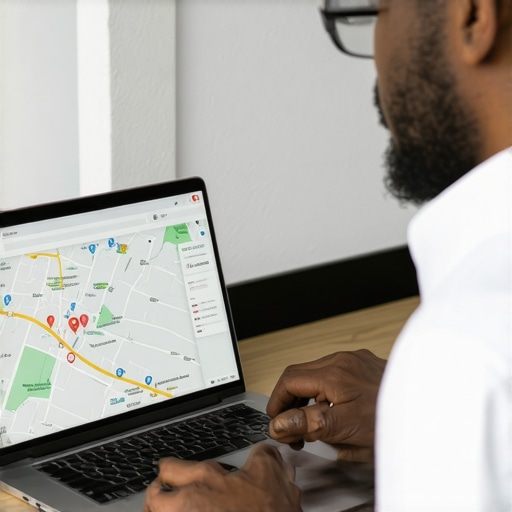 >Many local businesses in Plano and across North Texas fall prey to misconceptions about local SEO, especially when it comes to Google Maps and GMB optimization. One prevalent myth is that simply creating a Google My Business profile guarantees top local rankings. In reality, as I’ve discovered through extensive testing, without strategic keyword integration and ongoing GMB adjustments, this alone won’t deliver sustained visibility. Another misconception is that large-scale branding tactics outperform hyper-local SEO efforts. However, recent studies, such as those summarized in Moz’s latest local SEO research, show that granular, neighborhood-focused strategies often outperform broad branding campaigns in high-competition markets like Plano, especially if you leverage local intent signals effectively. It’s tempting to think that once your GMB is optimized, ranking will stay static. But in my experience, Google’s algorithm updates, especially in 2026, are designed to favor dynamic, regularly updated profiles and localized content. Relying on outdated information can lead to a significant drop in visibility, or even being flagged by Google’s spam filters. Be cautious of quick fixes like keyword stuffing or fake reviews, which may provide short-term gains but risk penalization and damage long-term credibility. Instead, focus on authentic engagement, local link-building, and accurate NAP consistency, as detailed in my comprehensive checklist of Plano GMB fixes for 2026. One advanced nuance often overlooked is the importance of voice search optimization in the Plano market. With the rise of local voice queries, optimizing for natural language, local long-tail keywords, and FAQ snippets becomes critical—yet many businesses neglect these opportunities. Developing content specifically tailored for voice search, like answering common neighborhood questions, can dramatically improve visibility in emerging search trends. To fine-tune your approach, consider investigating the latest in voice search strategies, which have been shown to boost local rankings, especially in competitive areas like North Texas. Remember, staying ahead in local SEO isn’t about quick hacks—it’s about understanding these subtle shifts and adapting with precision. Asking yourself whether your strategy accounts for evolving search behaviors can be the difference between ranking well and falling behind in 2026. Have you ever fallen into this trap? Let me know in the comments.
Staying ahead in local SEO, especially within a competitive market like Plano, demands more than just initial optimization. The key to long-term success lies in consistent maintenance, leveraging specialized tools, and adapting to evolving algorithms. Personally, I rely on a combination of authoritative software and strategic processes to keep my Google Maps rankings climbing steadily. These tools not only streamline routine tasks but also provide actionable insights, saving valuable time and ensuring sustained visibility.
How do I maintain my local SEO momentum over time?
First, I recommend implementing a robust tracking system. SEMrush Local SEO Toolkit is my go-to because it offers comprehensive keyword tracking tailored for local markets like Plano. It helps me monitor fluctuations in rankings and identify keyword opportunities or drops before they affect my visibility. Additionally, I use BrightLocal to audit my GMB profile periodically, ensuring all local cues, such as NAP consistency and reviews, stay optimized per the latest standards outlined in Moz’s recent local SEO research.
Another critical aspect is review management. Tools like ReviewTrackers allow me to keep an eye on customer feedback across platforms, which is vital given how review signals influence local ranking algorithms in 2026. Responding promptly and authentically to reviews not only boosts engagement but also signals to Google Maps that my profile remains active and trustworthy.
Content updates tailored for hyper-local relevance are equally vital. Regularly publishing blog posts or news updates about community or neighborhood events, optimized with targeted keywords like local keywords, helps maintain relevancy. I schedule these updates using a content calendar, ensuring fresh, engaging material that appeals both to search engines and local customers.
Finally, staying updated on algorithm changes via industry blogs like Moz or Search Engine Journal helps me adjust tactics proactively. Voice search is becoming increasingly important—optimizing for natural language queries about Plano neighborhoods can give you a competitive edge. In fact, the latest insights in Moz’s research underscore the importance of voice-friendly content in local rankings.
In the future, I anticipate that leveraging AI-driven analytics will become even more indispensable. Tools that predict ranking shifts or suggest content optimizations based on emerging trends will streamline maintenance further. By integrating these advanced methods today, you prepare your business for the ever-changing landscape of local Texas marketing — ensuring your Google Maps presence remains dominant in Plano.
Start by adopting a dedicated local SEO tracking tool like SEMrush or BrightLocal. Regular audits, review management, and localized content updates—these are your pillars for long-term success in local SEO. Remember, continuous effort and smart tool usage are what turn initial gains into sustained market leadership. Try implementing a dedicated review monitoring system this week and observe how it helps protect your rankings and attract more local leads.
What I Wish I Knew Before Diving Deep Into Plano Local SEO
One of the most eye-opening lessons I learned was that simply optimizing your Google My Business profile isn’t enough; ongoing, strategic tweaks are essential. I initially thought a set-it-and-forget-it approach would suffice, but I soon realized that local SEO demands constant vigilance—updating keywords, engaging reviews, and adapting to algorithm shifts. Another revelation was the importance of hyper-local content—writing specifically about neighborhoods and landmarks within Plano—not only boosts relevance but also signals authenticity to Google Maps. Finally, I discovered that leveraging community partnerships and local backlinks could dramatically enhance authority, often outperforming paid ads or generic rankings. This journey taught me that success in local Texas marketing hinges on personalized strategy, genuine community engagement, and relentless optimization.
My Go-To Resources for Mastering Plano Real Estate & Google Maps Strategies
- SEMrush Local SEO Toolkit: I trust it for comprehensive keyword tracking and competitor analysis, which keeps my campaigns ahead of Dallas rivals.
- BrightLocal: Periodic GMB audits from this tool help me maintain consistency in NAP signals and review management, essential for local trustworthiness.
- Moz’s Local SEO Guides: Their insights on algorithm updates and local ranking factors keep me informed about evolving best practices.
- Community Blog & Directory Submissions: Local backlinks from community sites and neighborhood directories are gold for boosting authority and visibility.
It’s Time to Make Your Local SEO Stand Out — Don’t Wait for the Algorithm to Change
In the competitive Plano landscape, your commitment to hyper-local SEO can define your growth trajectory. The strategies and tools I’ve shared aren’t just tips—they’re a blueprint for resilient, long-term success. Start refining your Google Maps presence today, incorporate neighborhood-specific keywords, and nurture your online reputation. The key to dominating local Texas marketing isn’t waiting for luck; it’s taking deliberate, informed action now. Are you ready to elevate your local visibility and outpace Dallas competitors? Share your plans or questions below — I love hearing how fellow businesses are making their mark in Plano!
,
One Comment
This post really resonated with my experience running a boutique in West Plano. I used to focus heavily on broad keywords like “Clothing Store in Texas,” but I realized I wasn’t capturing the local essence that customers search for, like specific neighborhoods or landmarks. After implementing hyper-local keywords, my Google Maps rankings improved noticeably, especially in underserved neighborhoods. I also started creating landing pages for different districts, which seemed to boost relevance and trust signals from Google. I’m curious, how do others handle reviews from different neighborhoods? Do you find that responding to local reviews specifically helps with rankings? Personally, I respond to reviews mentioning specific areas, which seems to have helped boost my profile’s visibility. I’d love to hear other tips on maintaining this localized engagement long-term.