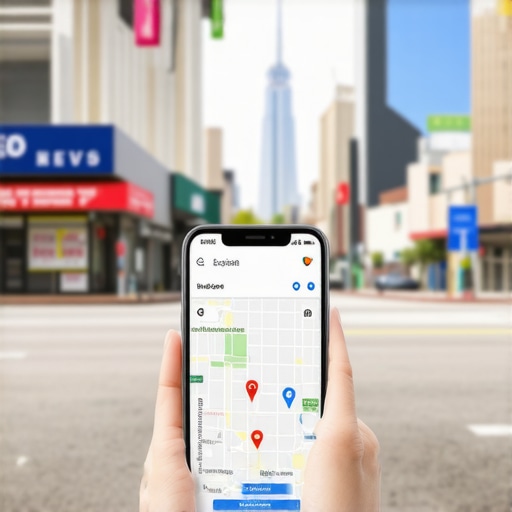
I remember the exact moment I realized I was invisible on Google Maps. I had poured my heart into my local business, but every time someone searched for services I offered in Plano, my listing was nowhere to be found. It was frustrating, almost like shouting into the void. That lightbulb moment made me dig deep into local SEO strategies, and what I discovered changed everything.
Why Local SEO Matters More Than Ever in North Texas
With North Texas booming and competition fierce, standing out on Google Maps isn’t just a nice-to-have — it’s essential. Did you know that 78% of local mobile searches result in an offline purchase? That means if your business isn’t optimized for local SEO, you’re leaving a lot of money on the table. And trust me, I’ve been there, making the mistake of assuming that just having a Google My Business (GMB) listing was enough. Spoiler alert: it’s not.
Is Local SEO Just a Fad, or Is It Worth the Effort?
Early on, I thought optimizing my GMB was a quick fix. I threw in some photos, filled out basic info, and hoped for the best. Turns out, I was missing the bigger picture. According to Moz, local search optimization is a complex, evolving process that requires consistent effort and strategic tactics. If you’re skeptical, you’re not alone. Many business owners dismiss local SEO as overhyped, but ignoring it is like trying to win a race with your eyes closed.
So, what’s the solution? I’ll walk you through proven strategies that helped me go from invisible to top-ranked in Plano and beyond. Whether you’re a small business owner or a seasoned marketer, these tips will give you a real edge. Ready to make your business impossible to ignore on Google Maps? Let’s dive in.
Before we get into the nitty-gritty, I want to share one mistake I made early on: I neglected to keep my NAP (Name, Address, Phone number) consistent across all platforms. This simple oversight hurt my rankings more than I realized. To learn more about the foundational tactics, check out this comprehensive guide.
Optimize Your Google My Business Profile for Maximum Visibility
Start by claiming and verifying your GMB listing if you haven’t done so already. Ensure your business name, address, and phone number (NAP) are consistent across all platforms—this consistency is like a GPS coordinate that helps Google pinpoint your exact location. Fill out every detail, including hours, services, and a compelling business description. Add high-quality photos that showcase your offerings and premises, as these serve as visual proof of your credibility. Remember, an incomplete profile is like a map with missing landmarks; it won’t guide customers to you effectively. For detailed tactics, check out this expert guide.
Leverage Local Keywords to Signal Your Relevance
Research keywords that local customers are searching for using tools like Google Keyword Planner or SEMrush. Think about phrases like “plumbing services in Plano” or “best pizza near North Texas.” Embed these keywords naturally into your business description, service pages, and posts. This is akin to tuning your radio to the right frequency; it helps Google understand where you fit in the local landscape. I once added strategic keywords to my service descriptions and saw an immediate bump in local search visibility within weeks. To refine your keyword strategy, visit this resource.
Build Local Citations and Consistent NAP Listings
Think of citations as digital footnotes that validate your business information. List your business accurately across directories like Yelp, Bing Places, and local chambers of commerce. Use the same NAP details everywhere; discrepancies confuse Google and hurt rankings. I once discovered mismatched phone numbers across directories, which was like giving Google mixed signals. Once corrected, my GMB rankings improved significantly. For a comprehensive citation boost, explore this guide.
Encourage and Manage Customer Reviews
Reviews are like word-of-mouth referrals on steroids. Encourage satisfied customers to leave positive reviews on your GMB profile. Respond promptly and professionally to all reviews, especially negative ones. This interaction signals to Google that your business is active and trustworthy. I once responded to a negative review with a sincere apology and offered to rectify the issue; this turned a dissatisfied customer into a loyal advocate. For more review strategies, visit this article.
Utilize Local Backlinks and Community Engagement
Backlinks from local blogs, news outlets, or community websites act as votes of confidence for your business. Reach out to local organizations or sponsor community events to earn mentions and links. Participating in local events and showcasing your involvement on your website and social media also boosts your local relevance. I once sponsored a charity run and was featured on the event website, which significantly increased my local visibility. To learn effective backlink tactics, see this resource.
Monitor, Analyze, and Adjust Your Strategy Regularly
Use tools like Google Analytics and GMB Insights to track your local SEO performance. Look at metrics such as search impressions, clicks, and customer actions. Regularly updating your profile with new photos, posts, and offers keeps your listing fresh and engaging. I schedule monthly audits to ensure all information is current and to identify new opportunities for growth. Continuous refinement is key—think of it as tuning your engine for peak performance. For ongoing tips, visit this ongoing guide.
Many business owners believe they understand the essentials of local SEO, but in reality, several misconceptions can lead you astray. Let’s dig deeper into the nuances that often go unnoticed and clarify what truly matters for dominating your local market. One widespread myth is that once you’ve optimized your Google My Business (GMB) profile, your work is done. However, the truth is, local SEO requires ongoing effort — from managing reviews to updating your profile regularly. Simply put, it’s not a set-it-and-forget-it strategy.
Another common mistake is overemphasizing keywords without considering user intent. While embedding local keywords like “plumbing services in Plano” is important, stuffing your content with keywords can backfire and hurt your rankings. Search engines now prioritize relevance and context over keyword density, as highlighted by Moz’s recent algorithm updates. Instead, focus on creating helpful, engaging content that naturally incorporates your target phrases. Want to learn more about refining your keyword strategy? Check out this resource.
What advanced tactics can make a real difference in local SEO performance?
One often overlooked nuance is the importance of local backlinks. Building links from reputable local websites, news outlets, and community organizations acts as a vote of confidence, boosting your authority in Google’s eyes. But beware of the trap of purchasing backlinks or engaging in link schemes — these can lead to penalties and long-term damage. Instead, focus on genuine relationships and community involvement. For example, sponsoring a local event or contributing to a local blog can earn you valuable, natural backlinks. For detailed strategies, explore this guide.
Many forget that consistency across all online platforms is crucial. Mismatched NAP (Name, Address, Phone number) details across directories not only confuse customers but also hurt your rankings. It’s a simple yet often ignored step that can have a significant impact on your visibility. Regular audits and updates are essential — think of it as maintaining a clear, accurate map for Google and your customers alike.
Finally, don’t overlook the power of community engagement. Responding to reviews, participating in local events, and sharing community news can humanize your brand and foster trust. These interactions signal activity and relevance, which are critical factors in local rankings. Remember, Google values local signals that demonstrate your business’s genuine involvement in the community. Want to avoid falling into these traps? Stay updated with proven tactics by visiting this ongoing guide.
Have you ever fallen into this trap? Let me know in the comments.
How do I maintain my local SEO efforts over time?
Staying ahead in local SEO isn’t a one-and-done task; it requires consistent maintenance and the right tools to keep your Google Maps rankings solid. One of my personal favorites is BrightLocal. I use it daily to track rankings, monitor reviews, and audit citation consistency. BrightLocal’s local search rankings report helps me identify fluctuations quickly, so I can act before small issues become ranking disasters.
Another indispensable tool is Google Search Console. It provides real-time insights into how Google perceives your website and GMB profile. I regularly check for crawl errors, keyword performance, and mobile usability issues. This proactive approach ensures my listings stay optimized and relevant.
For managing reviews, I rely on Reputation.com. It automates review requests and consolidates feedback, saving me hours while keeping my reputation in check. Responding promptly to reviews, especially negative ones, is crucial — and this platform makes it manageable even when I have multiple locations.
To streamline content updates, I use SEMrush. I set up alerts for new local keywords and competitors’ moves. SEMrush’s position tracking helps me see if my latest blog posts or service updates are gaining traction on local searches. Staying informed allows me to adjust my content strategy quickly, maintaining visibility and relevance.
Looking ahead, I predict that AI-driven tools will become more integral to local SEO. These innovations will help automate routine tasks and provide deeper insights, freeing up more time for strategic growth. For example, AI content generators may assist in creating localized content at scale, boosting your relevance effortlessly.
Why is a continuous review of your local SEO strategy essential?
The local landscape constantly shifts with new competitors, algorithm updates, and changing consumer behavior. Regularly using these tools ensures your efforts stay on track. I recommend conducting bi-weekly audits—checking citation accuracy, review status, and ranking fluctuations. This disciplined approach prevents small issues from snowballing and keeps your business visible.
Don’t forget to document your findings and updates. A simple spreadsheet tracking your citations, reviews, and rankings helps you see patterns over time. This data-driven approach allows you to refine your strategies and stay ahead of the curve.
Start experimenting with one of these tools today—pick BrightLocal or SEMrush—and see how much easier maintaining your local SEO can be. The key is consistency and leveraging the right technology to keep your business at the top of local searches.
Want to dive deeper? Check out this guide for more advanced strategies.
The Hardest Lesson I Learned About Local SEO
One of the toughest truths I faced was that optimizing my Google My Business profile was just the beginning. Consistent effort, ongoing engagement, and community involvement are what truly move the needle. It’s not a one-and-done task but a continual process of nurturing your local presence.
3 Myths About Local SEO That Held Me Back
I used to believe that once my business was listed, I could sit back and enjoy the results. Later, I discovered that neglecting reviews, inconsistent NAP details, or failing to build local backlinks would undo my progress. Busting these myths was a game changer for my visibility.
What Experts Won’t Tell You About Local SEO
Many seasoned marketers keep quiet about the importance of community engagement. Building genuine local relationships and participating in community events has a far greater impact than just optimizing online profiles. This human touch is what really separates top-ranked businesses in North Texas.
My Essential Toolkit for Local SEO Success
- BrightLocal: I rely on it daily for tracking rankings, review monitoring, and citation audits. Its comprehensive reports save me time and help me stay proactive.
- Google Search Console: This free tool offers real-time insights into website health and performance, ensuring my listings stay optimized and easy to find.
- Reputation.com: Managing reviews has never been easier. It automates review requests and consolidates feedback, ensuring I respond promptly and professionally.
- SEMrush: For content and keyword strategy, SEMrush provides alerts and competitor analysis that keep me ahead in local search trends.
Take Action and Make Your Mark on Google Maps
Getting your local SEO right isn’t just about rankings; it’s about creating a lasting connection with your community and turning local searches into loyal customers. The path to Google Maps domination in North Texas is within your reach—start today, stay consistent, and watch your business thrive. What’s the biggest challenge you face in local SEO? Share below and let’s grow together!