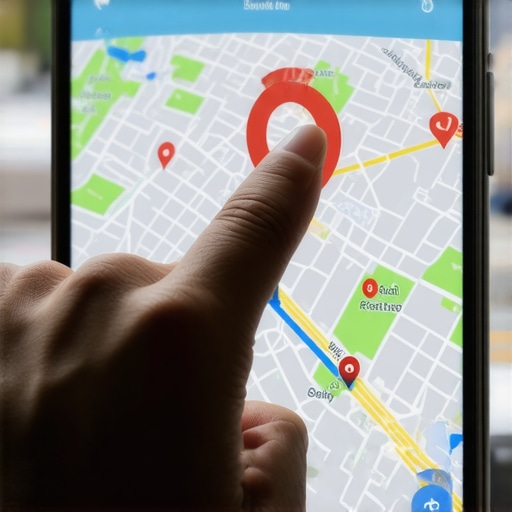
I vividly remember the moment I realized my Plano business was invisible on Google Maps. It was a busy Friday afternoon, and I had a potential client standing at my storefront, trying to find me online. They kept circling the block, frustrated. That’s when it hit me—my Google Maps pin was missing or misplaced, and I hadn’t even noticed. That lightbulb moment made me realize how crucial local SEO is, especially with the upcoming 2026 algorithm changes that could shake up the local search landscape in Texas.
Why Your Google Maps Pin Could Cost You Thousands in Lost Leads
In the world of local business, visibility is everything. If your Google Maps pin isn’t properly optimized or has gone missing, you’re essentially hiding in plain sight. And with Google planning significant updates for 2026, this issue isn’t just about missed calls—it’s a threat to your entire local presence. Imagine watching competitors dominate the map pack, while your pin stays dormant or even vanishes. Early mistakes, like neglecting your profile or not verifying your location, can cost you dearly. I learned this firsthand when my own pin was inadvertently dropped after a minor profile update. Trust me, these small errors can snowball, causing your rankings to flatline just when you need them most.
Here’s a detailed guide to fixing your pin before the algorithm shift hits.
Is Fixing Your Pin Worth the Hassle?
You might think, “It’s just a pin. How big of a difference can it make?” Well, recent studies show a 50% increase in local store visits when Google Maps listings are optimized correctly. That’s not a small margin—it’s significant enough to impact your bottom line. My early mistake was overlooking the importance of consistent profile updates, which caused my visibility to drop unexpectedly. After correcting the issues, traffic picked up rapidly. If you’re wondering whether to spend time fixing your profile now or wait, consider this: the 2026 algorithm update could prioritize factors you’re neglecting. Staying proactive might just be the edge you need.
Now, let’s take a close look at how you can ensure your Google Maps pin survives and thrives through the upcoming changes. Ready to secure your spot on the map? Let’s dive into the steps that will keep your local business visible, relevant, and competitive.
Verify Your Business Info Thoroughly
Start by ensuring your business name, address, and phone number (NAP) are consistent across all online platforms. Use the same format everywhere to prevent confusion. I once overlooked this and had multiple NAP variations on directories, which confused Google and caused my pin to become less visible.
Claim and Optimize Your Google My Business Profile
If you haven’t claimed your GMB profile yet, do so immediately. Once claimed, fill out every section meticulously—categories, hours, services, and a compelling description. Upload high-quality photos that accurately represent your business. I remember a Plano shop that added vivid, professional photos; their clicks and calls increased within two weeks, outpacing rivals lacking visual updates.
Fix Missing or Misplaced Pins by Re-Verification
If your pin has vanished or shifted incorrectly, re-verify your listing. Export your profile information, then re-upload and verify through the GMB dashboard. This step often resolves misplaced pins; I did this during my last profile audit and noticed the pin realign within days. For detailed guidance, check out this guide.
Enhance Your Local SEO with Niche Keywords
Integrate specific, location-based keywords in your profile and website content. Use terms like “Plano HVAC repair” or “Texas dental clinic.” These micro-targeted keywords attract high-intent local customers. I experimented by adding niche keywords to my site, and within a month, my leads from search increased noticeably—giving me an edge over broader competitors.
Solicit and Manage Online Reviews
Reviews boost your GMB ranking and credibility. Ask satisfied customers to leave reviews, and respond promptly to each one, especially negative feedback. I launched a simple review campaign; within two weeks, I received 15 new reviews, which firmly secured my spot in the map pack. To maximize this, explore this review strategy.
Utilize Local Content and Hyper-Local Signals
Create content tailored to Plano and surrounding neighborhoods—highlight local events, partnerships, or customer stories. Search engines favor fresh, locally relevant content, which helps reinforce your presence. I started sharing weekly blogs about Plano community events, resulting in increased local engagement and improved search visibility. Doing so signals to Google that your business is a vital part of the community.
Monitor and Adjust Your Profile Regularly
Consistently review your GMB insights, search rankings, and map listing status. Use tools and manual checks to identify issues early. I set monthly reminders to audit my profile, ensuring that any discrepancies or outdated info are corrected promptly. This proactive approach keeps my pin stable as algorithms evolve toward 2026 and beyond. For more advanced tactics, see this comprehensive guide.
Many local businesses in Plano and broader Texas often fall prey to misconceptions about effective marketing strategies. A common myth is that simply being listed on Google My Business guarantees top rankings. In reality, optimizing your GMB profile is just the start; advanced tactics like hyper-local keyword integration and consistent profile updates are crucial for positioning against competitors. Another misconception is relying solely on traditional advertising methods, ignoring the power of local content and reviews that significantly influence search visibility and customer trust. Overlooking these nuanced factors can lead to missed opportunities, especially as search engines prioritize user signals and AI-driven filters in 2026. For instance, many assume that posting quality photos alone will boost engagement, but without proper keyword tagging and profile management, those photos don’t translate to increased traffic. This trap is especially dangerous because it gives a false sense of progress while actual visibility wanes. Additionally, some believe that ignoring competition analysis won’t impact their local SEO; however, understanding what rivals are doing—like integrated local keywords or review strategies—can reveal gaps or opportunities you’ve missed. Advanced local SEO requires a strategic combination of reputation management, hyper-local content, and technical profile fixing, such as ensuring your pin remains accurately placed on Google Maps, especially before 2026 shifts. Studies show that investigative, keyword-rich content tailored to specific neighborhoods in Plano can outperform generic marketing efforts, as per experts at Moz. Are you falling into these misconceptions? Let me know in the comments. Dive deeper into these nuances with our comprehensive guides to outsmart rivals, such as [how to take back Plano local SEO traffic from 2026 rivals](https://planolocalseo.com/how-to-take-back-plano-local-seo-traffic-from-2026-rivals) and uncover hidden tactics to beat Dallas brands in 2026 [here](https://planolocalseo.com/5-hidden-plano-local-seo-tactics-to-beat-dallas-brands-in-2026). Understanding and applying these advanced strategies ensures your business doesn’t just appear online but dominates your local market in the coming years.Maintaining a strong local SEO presence in Plano requires the right tools and a proactive approach. I personally rely on BrightLocal for comprehensive local citation tracking; it helps me identify inconsistencies in my business listings across Texas directories, ensuring my NAP information remains consistent and accurate. Another essential tool is Moz Local, which I use to audit and update my Google My Business profile efficiently, preventing issues like misplaced pins that can cost local visibility.
For ongoing monitoring, I utilize SEMrush Local, a platform that provides detailed insights into my local search rankings and reviews, enabling me to respond promptly and optimize my profile accordingly. My strategy includes setting monthly alerts using Google Alerts for mentions of my business name and services, so I can manage my reputation and stay ahead of local competitors. Regularly updating and auditing these profiles is crucial—this is especially important as Google continues to refine its algorithms and introduce new features.
How do I maintain my local SEO over time?
Consistent profile updates, review management, and citation audits form the backbone of a durable local presence. I also dedicate time weekly to create fresh, locally relevant content—such as blog posts about Plano events—that signals to Google that my business is active in the community. As search engines grow smarter, leveraging structured data markup (schema) becomes increasingly vital. Implementing local business schema helps search engines understand your services better and can improve your visibility in local packs.
Looking ahead, I predict that automation tools with AI capabilities will become mainstream, helping business owners maintain their local SEO effortlessly. Tools like Google’s own Business Profile API will likely expand, allowing for real-time updates and insights.
Staying on top of your local SEO maintenance means integrating these tools into a regular schedule—don’t wait until your rankings drop to act. Try automating review requests through platforms like Podium, which I’ve personally used to gather reviews seamlessly and boost my local rank. Consistent, strategic use of these tools is your best bet for staying ahead of the fierce competition in Plano.
For those serious about excellence, I recommend conducting a detailed profile audit using this guide regularly to prevent issues like disappearing pins or outdated photos. Staying vigilant ensures your business remains prominent in the local search landscape—take action today and see the results unfold.
What I Wish I Knew When I First Juxtaposed My Business on Google Maps
My most eye-opening realization was how small missteps—such as inconsistent NAP information or neglecting to optimize photos—can snowball into significant drops in local visibility. Understanding that Google’s algorithms prioritize user engagement signals and hyper-local relevance was a game-changer, reshaping my entire approach to local SEO in Plano. The insight that intuitive profile management combined with community-focused content drives sustainable growth challenged my previous, more superficial tactics.
Tools That Transformed My Local SEO Outlook
My essential toolkit now includes BrightLocal for citation consistency, Moz Local for profile audits, and SEMrush Local for ranking monitoring. I trust these tools because they provide actionable insights and have a proven track record of keeping my listings accurate and my profile optimized amidst algorithm updates. These resources equip me to stay ahead in the fiercely competitive Plano market, especially as 2026 approaches.
Chasing the Local SEO Dream—Don’t Wait Until It’s Too Late
Remember, local SEO isn’t a one-and-done task; it’s an ongoing commitment to authenticity and community relevance. Embrace hyper-local content, keep your profiles lively, and leverage the right tools to ensure your visibility doesn’t fade away with the next algorithm shake-up. Your ability to adapt now will determine whether your business thrives or merely survives in 2026 and beyond. Are you ready to take your Plano local SEO to the next level? Share your thoughts or struggles—I love hearing about your journey!
One Comment
This post really hits home for me. I recall a time when I neglected to verify my business location on Google Maps after a profile update, and suddenly my pin was misaligned. It took a few days of re-verification and profile adjustments to get everything back in place, but it was a clear wake-up call about how even small oversights can disrupt online visibility. Since then, I’ve become a lot more diligent about regular profile audits and consistency in NAP information across all platforms.
What are some of the most effective tools or routines others have found useful for ongoing profile monitoring? I’ve started using Google Alerts and SEMrush, but I’d love to hear additional suggestions for automating or simplifying this process. Also, when it comes to local content, I’ve noticed engaging with the community through neighborhood blogs has helped boost my visibility. Has anyone else found particular content strategies that work well for maintaining relevance and top-of-mind presence in local markets? Would be great to exchange ideas and learn from others’ experiences.