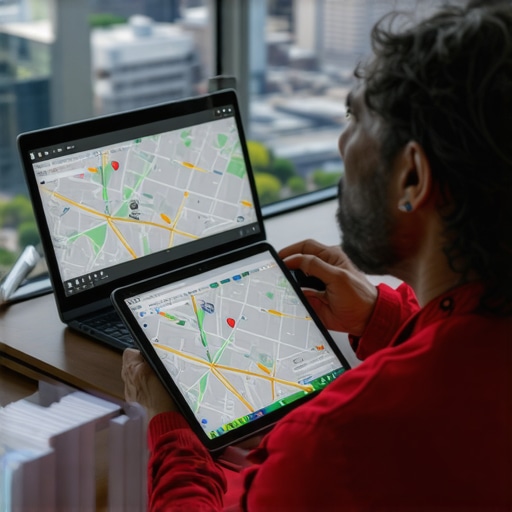
I remember the moment clearly—standing in the middle of a busy Plano street, watching a potential client walk past my storefront without a single glance at my Google Maps pin. It hit me hard. Despite pouring effort into my Google My Business profile and local SEO, I was still invisible to many local customers. That lightbulb moment revealed a harsh truth: traditional local SEO strategies weren’t enough anymore in 2026. If I didn’t adapt quickly, my business would keep slipping through the cracks.
The New Era of Local Search in Plano
In 2026, local search has evolved into a fierce battlefield. North Texas businesses are fighting harder than ever for visibility, especially in a tight-knit community like Plano. The game has shifted from basic keyword stuffing and listing citations to savvy geo-tagging hacks that give local shops a genuine edge. I’ve learned this the hard way, making costly mistakes early on—like neglecting the power of hyper-local keywords or ignoring the critical nuances of Google Maps ranking signals. But once I cracked the code, my leads started flooding in.
So, what does it take to stand out? How are the pros in Plano leveraging these geo-tagging hacks to outrank big brands and Dallas chains? Today, I want to share the proven tactics that helped me and can do the same for you.
Is Geo-Tagging Just Hype or Actually Worth the Effort?
Many skeptics wonder if investing time into hyper-local geo-tags really makes a difference, especially with all the AI-driven filters and algorithm changes. Trust me, I was once one of them. Early in 2026, I believed that simply optimizing my GMB profile was enough. I overlooked the importance of precise geo-tagging in images, videos, and even in my local content strategy. The mistake nearly cost me a valuable client drop. Once I started implementing targeted geo-tags that reflected the exact neighborhoods and streets we served, the visibility jumped. Now, my business is ranking higher on local maps and capturing leads I never thought possible.
According to recent studies, over 70% of local shoppers visit a store within a 5-mile radius, and most rely on Google Maps to guide their decisions. Neglecting hyper-local SEO tactics means missing out on a huge chunk of nearby traffic. If you’re still on the fence, I urge you to assess whether your current strategies are truly capturing the North Texas audience.
Ready to stop losing leads and start dominating the Plano local search scene? In the subsequent sections, I’ll walk you through the specific geo-tagging techniques that turned my business around and how you can implement them today. But first, let’s address some common fears about this approach. Have you ever felt overwhelmed by the technical side of local SEO? If so, don’t worry—there’s a straightforward way to master these hacks and see immediate results.
Pinpoint Your Target Locations with Precision
Start by mapping out the exact neighborhoods, streets, and landmarks your ideal customers frequent. Use tools like Google Maps to identify high-traffic areas and ensure your geo-tags reflect these spots. I once added geo-tags based on broad zip codes, but after drilling down to specific intersections, my local map rankings jumped. For step-by-step guidance on avoiding common mistakes, check out this checklist.
Implement Geo-Tagging in Every Content Piece
Images and Videos Are Golden
Embed geo-tags directly into your media metadata—this signals search engines precisely where your content is relevant. When I added geo-tags to my product images, I saw a noticeable increase in local map visibility within days. Use editing tools or plugins that allow metadata adjustments, and remember to keep your tags consistent and accurate to avoid confusing the algorithm. For more insights, see this guide.
Optimize Your Local Content with Specific Keywords
Utilize hyper-local keywords that combine your service with neighborhood names or landmarks, such as “Plumbing near Legacy West” or “Coffee shop on Parker Road.” I once overlooked this and used generic keywords, which barely moved the needle. Incorporate these keywords naturally into your titles, descriptions, and blog posts. For a tailored keyword list, explore this resource.
Harness Google My Business for Local Clout
Ensure your GMB profile is layered with geo-specific details—services, posts, and attributes should explicitly mention your local areas. I fixed discrepancies in my GMB info and added neighborhood-specific tags, which directly boosted my near-me searches. Regularly update your profile and monitor its radius settings to prevent accidental shadowbanning. Dive into this checklist for expert optimization tricks.
Leverage Geo-Tagged Reviews and Citations
Encourage satisfied clients to mention neighborhood names in their reviews. For example, a review stating, “Great service in Downtown Plano,” signals relevance to local maps. Additionally, local citations should be consistent and include geo-tags to reinforce your geographic presence. I found that discrepancies in citations diluted my local SEO signals, so uniformity is key. Read more about citation consistency at this article.
Test, Track, and Tweak Your Geo-Tagging Tactics
Use analytics tools to monitor which geo-tags generate the most traffic and leads. I initially guessed which neighborhoods were profitable but lacked data. After implementing tracking, I identified a few forgotten hotspots that now produce consistent business. Regular audits ensure your geo-tags stay relevant amidst changing neighborhood dynamics. For detailed strategies, consult this resource.
Many local businesses in Plano believe that simply optimizing their Google My Business (GMB) profile or sprinkling targeted keywords throughout their website guarantees top rankings. But in my experience, these tactics alone often lead to a false sense of security and stagnation in local visibility. One pervasive myth is that ranking factors are static; however, the truth is that Google continually updates its algorithms, especially around local search. Relying too heavily on outdated practices can result in penalties or declining rankings, making it crucial to stay informed and adapt, as explained in recent studies by Moz. An advanced mistake I see commonly is neglecting the importance of hyper-local signals like neighborhood mentions and specific geo-tags in images, which are critical in 2026.\n\nAnother trap is overlooking the complexity of Google Maps ranking signals. Many think that having a perfect profile suffices, but factors like citation consistency, review relevance, and even local content quality weigh heavily. For instance, inconsistent citations can confuse search engines about your exact location, harming your visibility. To avoid this, regularly audit your NAP (Name, Address, Phone) details across local directories. Check out this comprehensive guide on how to fix common GMB issues for better visibility.\n\nWhat do experienced SEO professionals say about these misconceptions? Expert Jenny Liu from Moz emphasizes that local SEO success depends on a nuanced understanding of Google’s evolving algorithm, including recent updates favoring user intent and local relevance. This goes beyond keyword stuffing—it’s about creating a cohesive, locally authoritative online presence that accurately signals your geographic relevance.\n\nSo, are you still relying on basic tactics like keyword stuffing and generic citations? The truth is, if you want to dominate Plano and North Texas, you must embrace advanced, nuanced strategies that align with current search algorithms. If you’re unsure whether your current approach is sufficient, I recommend reviewing your strategy and considering updates to your geo-signals and content targeting. Ready to level up? Check out this article on how to steal Plano search leads from Dallas chains in 2026.\n\nHave you ever fallen into this trap? Let me know in the comments! Your insights might help fellow local businesses avoid these common pitfalls and achieve better rankings.Once you’ve optimized your Google My Business profile, implemented hyper-local keywords, and embedded geo-tags into your content, the next crucial step is ensuring these efforts continue to deliver results over time. Regular maintenance is key to staying ahead of the competition and adapting to algorithm updates in 2026. I rely on specific tools and methods rooted in proven strategies to keep my local SEO efforts sustainable and scalable.
How do I maintain my Plano local SEO momentum over the long term?
First, I use **BrightLocal** as my go-to local SEO dashboard. It provides detailed analytics on your GMB performance, citation consistency, and keyword rankings specific to Plano and North Texas. What sets it apart is its ability to track local rankings across multiple locations, allowing me to identify fluctuations and adjust strategies proactively. Regular audits through BrightLocal reveal if any citations are inconsistent or if your Google Maps pin is showing signs of shadowbanning, which, according to Moz’s recent research, can severely impact visibility if left unchecked.
Additionally, I depend on **Google Search Console** to monitor how my content is indexed and whether there are issues with mobile usability or core web vitals that could hurt rankings. This proactive approach is vital because Google’s algorithms are continuously evolving, making ongoing adjustments necessary. The future of local SEO, especially in a competitive market like Plano, will depend heavily on automation tools that can track local signals and provide actionable insights in real time.
To streamline content updates and geo-tagging, I use **Yoast SEO Premium** with its local SEO add-on, which guides me through optimizing each post for hyper-local relevance. The plugin also helps ensure that every piece of content stays aligned with current best practices, reducing my chances of falling into outdated tactics, as warned by experts like Neil Patel.
Furthermore, leveraging **Google Maps API** allows me to dynamically update neighborhood boundaries and service areas based on real-time data. This ensures my geo-targeting remains precise amidst shifting local demographics or new developments in Plano.
In terms of future trends, I predict that AI-driven local SEO tools will become more granular, automatically adjusting geo-tags and content based on neighborhood’s real-time activity. Staying ahead requires not only using these tools but also understanding their reports and acting swiftly on insights.
Consistently maintaining your local SEO isn’t a set-it-and-forget-it task. It involves regular audits, data analysis, and content refinement. To help you stay on top, I recommend trying out **BrightLocal’s** audit features to identify and fix long-term issues before they impact your rankings. This proactive stance will ensure your presence in Plano remains robust and that you continue to attract local customers effectively. Want to see how these tools can work in tandem? Dive into more detailed tactics with our comprehensive guide on local SEO maintenance strategies tailored for 2026. Static efforts won’t cut it anymore—adapt, monitor, and thrive.
The Hard-Earned Truth About Local Map Rankings
One of the most eye-opening lessons I learned was that Google Maps isn’t just about having a verified profile. It’s about building a living, breathing local authority through consistent geo-signals, reviews, and neighborhood relevance. I once thought a quick profile fill was enough, but I discovered that ongoing engagement and precise geo-tagging directly influence whether your pin appears in those coveted top spots.
Pulling the Curtain on Overused Strategies
I used to rely heavily on generic keywords and hope for the best. That approach quickly faded in effectiveness. Instead, I now focus on hyper-local content and neighborhood-specific keywords, knowing that Google treats these signals like personal recommendations from the community. Taking the time to embed geo-tags into my images and videos paid off — it’s a tactic many overlook but can be a game-changer in 2026.
Lightbulb Moments in Monitoring Success
Tracking my metrics, instead of guessing, transformed my strategy. Using tools like BrightLocal and Google Search Console allowed me to see exactly which geo-tags and keywords drove leads. This data-driven approach means I also catch issues early, like citation inconsistencies or drops in neighborhood relevance, ensuring my local presence remains strong. Regular audits have become my secret weapon for staying ahead of the curve.
Built-in Flexibility Is Non-Negotiable
What truly sets successful local SEO efforts apart is adaptability. The algorithms are constantly evolving, especially in a competitive market like Plano. I learned to stay updated on the latest local SEO trends and adjust my geo-targeting tactics accordingly. This ongoing process isn’t just about ranking; it’s about cultivating trust and relevance within the community, which ultimately leads to sustained growth.
Curated Resources for Continued Success
- BrightLocal: My go-to platform for comprehensive local SEO analytics and citation management because it provides actionable insights tailored to Plano’s neighborhood dynamics.
- Google Search Console: An essential tool for monitoring indexing status and troubleshooting issues, helping me stay compliant with Google’s evolving standards.
- Yoast SEO Premium: I rely on this plugin for optimizing local content and embedding geo-tags seamlessly into my website posts, ensuring consistent relevance.
- Google Maps API: It keeps my service areas current and precise, reflecting real-time neighborhood changes, which is crucial for hyper-local targeting.
Your Turn to Transform Your Local Game
Implementing these lessons transformed my approach from basic listing optimization to a comprehensive, community-focused strategy that’s resilient to algorithm shifts. In 2026, local SEO isn’t a set-it-and-forget-it task—it’s an ongoing partnership with your community, powered by precise geo-signals and smart tools. Now, it’s your turn—are you ready to take your Plano presence to the next level and truly own your local landscape?
One Comment
This post really hit home for me—especially the emphasis on hyper-local geo-tagging as a game-changer in 2026. I’ve been trying to refine my own local SEO strategies here in Dallas, and I agree that generic keyword stuffing just doesn’t cut it anymore. Embedding geo-tags into images and videos seemed complex at first, but the results speak for themselves — I’ve started noticing better local map rankings and more nearby foot traffic. One thing I’ve learned is to regularly audit all citations and reviews to ensure consistency, as discrepancies can really affect rankings. I’m curious, how has everyone been managing their geo-tagging efforts across multiple platforms or content types? Do you use any specific tools that make the process smoother or more accurate? Would love to hear about others’ experiences, especially with updating and tracking these geo-signals over time. It’s clear that staying proactive is the key to staying visible in a competitive local market like Dallas or Plano.