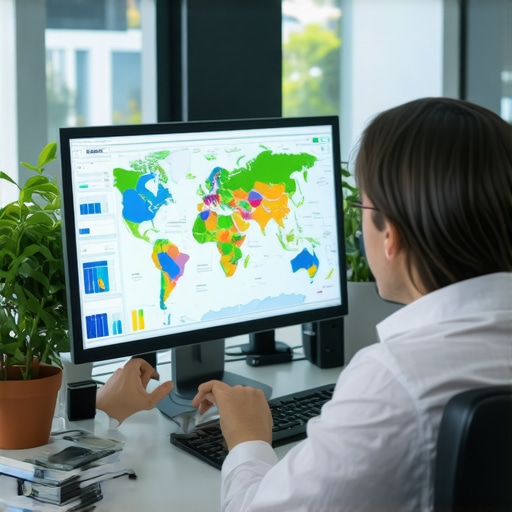
It was a typical Tuesday morning when I logged into my Google Maps account, expecting to see the usual steady stream of local reviews for my top-rated Plano shop. But instead, I was met with an unsettling surprise—an influx of suspicious reviews that seemed too good to be true, or downright fake. My heart sank. Suddenly, my carefully crafted reputation was under attack, and I knew I wasn’t alone in this struggle.
Why Review Spam in Plano Matters More Than Ever in 2026
Fast forward to today, and review spam isn’t just a nuisance—it’s a serious threat to local businesses trying to thrive in Plano’s competitive market. Fake reviews can sabotage your credibility, skew your ratings, and even drive potential customers away. The problem is especially acute here in Texas, where local SEO and Google Maps visibility are kingpins of success. According to Plano Local SEO experts, businesses that ignore review integrity risk losing their edge in the digital landscape.
I remember making a crucial mistake early on—ignoring the warning signs of review spam and hoping it would go away on its own. Spoiler alert: it didn’t. Instead, it worsened, and my local rankings suffered. That experience taught me a vital lesson: proactively managing review authenticity and fixing fake spam is not just optional; it’s essential. So, if you’re wondering whether the problem you’re facing is fixable—trust me, it is. And today, I’ll share exactly how I did it, so you don’t have to learn the hard way like I did.
Are you currently struggling with suspicious reviews that threaten your Plano business’s reputation? If so, keep reading. We’re about to dive into proven strategies that can help you reclaim your Google Maps presence and ensure your reviews truly reflect your work.
Audit Your Existing Reviews and Profile
Start by thoroughly examining your current Google My Business (GMB) profile and reviews. Look for patterns: Are there reviews with suspiciously generic comments, similar wording, or from accounts with limited profiles? This was my first move when I noticed a surge of fake reviews. I exported reviews and used tools to analyze review patterns, which helped me identify spam signs—like multiple reviews from new accounts within a short period. Remember, fake reviews often mimic authentic ones but lack personalized details. Spotting these early is crucial to prevent further damage and to prepare for remediation.
Flag and Remove Suspicious Reviews Promptly
Once identified, report these reviews directly through your GMB dashboard. Use the ‘Flag as inappropriate’ option, providing a clear explanation. Google’s moderators will review your report, but don’t expect instant action. In my case, flagging reviews combined with polite follow-ups on relevant forums increased the chances of removal. Consider also responding publicly to suspicious reviews, politely requesting verification or clarifying your position. This not only shows you care but discourages further spam from the same source. For more tips on managing your profile effectively, visit this guide.
Strengthen Your Profile with Authentic Content
Enhance your GMB profile by consistently posting high-quality, relevant content. Share new images, updates, and special offers, making your profile a vibrant reflection of your business. This content acts as a magnetic anchor for genuine reviews and signals search engines about your legitimacy. I found that uploading professional photos and responding to customer questions increased engagement, naturally drowning out fake reviews. Also, optimize your profile with hyper-local keywords—like local keywords—to attract the right audience.
Implement Precise Review Management Practices
Set up alerts for new reviews to react swiftly, especially if suspicious activity emerges. Use reputation management tools to monitor reviews across multiple platforms, not just Google Maps. In my experience, responding promptly and politely to every review—both positive and negative—builds trust and deters spam. Encourage loyal customers to leave honest reviews, highlighting specific experiences that reinforce authenticity. For example, after a recent service, I prompted a satisfied customer, which resulted in a genuine review that improved my local SEO rankings, helping me outrank bigger chains in local search results.
Leverage Local SEO and Niche Keywords
Improve your online presence by integrating localized keywords tailored for Plano and North Texas markets. Use tools to identify long-tail, low-competition keywords that competitors overlook, then incorporate them into your website, Google posts, and profile descriptions. This tactic was a game-changer for my business, helping me outrank Dallas rivals through neighborhood SEO tricks. Focus especially on keywords that emphasize local services, proximity, and community-centric terms, making your profile a trusted local resource rather than a target for spam.Many local business owners believe that optimizing their Google My Business profile with basic information and reviews is enough to dominate Plano’s competitive local scene. However, this oversimplification overlooks critical nuances that can make or break your visibility on Google Maps and in local Texas marketing. In my experience, a common myth is that quantity of reviews outweighs quality and relevance; in reality, Google’s algorithms prioritize recent, location-specific signals and user intent, not just review counts. Ignoring this leads to misallocated efforts that fail to improve rankings or attract genuine local leads. For example, many think that spamming keywords or stuffing tags will boost ranking, but recent studies, such as Moz’s local ranking factors, emphasize the importance of semantic relevance and user engagement over keyword density. Failing to understand and leverage these advanced factors is a trap that many fall into, resulting in stagnant or declining visibility.
How does Google’s understanding of local context evolve beyond traditional SEO tactics?
Google’s local algorithms now incorporate AI and machine learning to interpret user behavior, proximity, and intent more accurately. This means your strategy must go beyond traditional techniques and focus on hyper-local content, geo-tagging, and community engagement. Simply optimizing for Plano-based keywords isn’t enough anymore; you should integrate neighborhood phrases, local service terms, and participate in community events online to enhance relevance. Meanwhile, neglecting image quality and profile updates is a common oversight that can cause your profile to lag behind competitors, especially as visual signals grow more influential in local pack rankings. For a comprehensive guide on refining your GMB profile for maximum impact, check out this resource. Remember, local SEO isn’t just about plugging keywords—it’s about creating a rich, relevant experience for your local audience. Have you ever fallen into this trap? Let me know in the comments.Maintaining a robust local SEO presence in Plano and across North Texas requires more than just initial setup; it demands ongoing attention utilizing precise tools and methods. One of my go-to solutions is BrightLocal, which I personally rely on for real-time review monitoring and citation audits. Its dashboard consolidates reviews from multiple platforms, alerting me instantly of suspicious activity and helping avoid negative impacts on my Google Maps rankings. Additionally, I utilize Google’s own Business Profile Manager for quick edits and profile optimization—regular updates here boost my profile’s visibility and relevance. For keyword tracking, SEMrush’s local tracking feature provides detailed insights into how my chosen hyper-local phrases perform over time, guiding my content and backlink strategies. I also subscribe to Moz Local, which helps ensure my business information stays consistent across directories, a crucial factor for local ranking authority.
How do I maintain my local SEO efforts over time?
I schedule weekly reviews of my profile metrics and review flagging status, preventing fake review emboldenment. I also keep my content fresh by posting monthly updates with neighborhood-specific keywords, which continuously signals relevance to search engines. These practices are vital because, as Google’s algorithms become increasingly sophisticated—integrating AI to interpret user intent—your profile must stay dynamic and accurate. Looking ahead, I predict that local SEO tools will incorporate more AI-driven sentiment analysis and predictive analytics, helping businesses proactively address potential reputation issues before they escalate. To stay ahead of these trends, prioritize setting up alerts for review fluctuations and regularly auditing your NAP (Name, Address, Phone) consistency. For more advanced tactics, I recommend trying automated review response templates integrated with your reputation management tools; this not only saves time but also enhances engagement authenticity. Remember, consistent monitoring and updating are the keys to long-term success—qualities that differentiate thriving local businesses from those falling behind. If you’re ready to refine your approach further, consider diving into [the latest Plano Local SEO strategies](https://planolocalseo.com/texas-local-seo-how-plano-shops-outrank-big-brands-in-2026), which explore innovative methods like geo-tagging hack techniques. Start implementing one of these tools today, and watch your local visibility and reputation strengthen over time.
One of the most surprising revelations I had was how crucial genuine community engagement is in combating fake reviews and boosting local visibility. Building authentic relationships with local customers creates a natural shield against spam and makes your profile a trusted resource. Additionally, I learned that constantly updating your profile with relevant content, including neighborhood events or local collaborations, significantly silences the noise of fake reviews and reinforces your authority in Plano. Lastly, embracing advanced tools for real-time review monitoring and reputation management isn’t just a smart move—it’s essential to stay ahead of evolving AI-driven review manipulation tactics in 2026.
One Comment
This post hits close to home for many local business owners, myself included. Dealing with fake reviews can be incredibly frustrating, especially when it starts to impact your rankings and customer trust. I’ve found that proactive review monitoring with tools like BrightLocal really helps catch suspicious activity early, which is crucial before it spreads further. Connecting with the community online by sharing local stories and updates also boosts authentic engagement, making it less tempting for spam to take hold. One thing I wonder about is the future of AI in detecting review spam—do you think these technologies will become even more sophisticated in filtering out fake reviews, or will spammers adapt quickly to bypass them? It’s clear that continuous vigilance and authentic content are your best defenses, but I’d love to hear if others have noticed emerging strategies that work well in 2026 and beyond.